Your Cart is Empty












Is Maltodextrin Safe? Here’s What You Really Need to Know


TL;DR
- For those wondering what is maltodextrin, maltodextrin is a fast-digesting carbohydrate made from plant starch (usually corn) and is widely used in foods and sports supplements for texture, thickness, and quick energy.
-
It is considered safe by major global regulators (FDA, EFSA, FSANZ, WHO/FAO) and is generally gluten-free and vegan.
-
The main concern is its very high glycaemic index (GI ~110), which can spike blood sugar rapidly, making it less suitable for people with diabetes, insulin resistance, or blood-sugar-sensitive conditions.
-
High intakes may cause digestive upset (bloating, gas, loose stools) and may affect the gut microbiome if consumed in large amounts regularly.
-
Best used strategically, especially by athletes, rather than daily, since it is most beneficial during long or intense exercise but unnecessary for most sedentary individuals. Moderation and whole-food carbs should still come first
Estimated reading time: 7-8 minutes
What Is Maltodextrin?
If you have ever checked food labels and been curious about what is maltodextrin, you are not alone. Maltodextrin 1 is a white, flavourless carbohydrate produced by breaking down starch into smaller chains using enzymes or acids. It typically comes from corn, so you will often see corn maltodextrin listed on ingredient panels, but it can also be derived from wheat, potato, rice, or tapioca.
Technically, maltodextrin sits somewhere between sugar and starch. It provides energy quickly, dissolves easily, and has no strong taste, making it worthwhile across a wide range of food products. You can easily find it in maltodextrin powder, packaged foods, and carbohydrate powder supplements, especially in the sports and fitness industry.
It is also naturally gluten-free unless derived from wheat. Even then, the refining process usually removes gluten proteins, though individuals with coeliac disease 2 may prefer to avoid wheat-based forms.
Maltodextrin is considered maltodextrin vegan. Although it is processed, it comes solely from plant starches.
Sold out
Why Is Maltodextrin Used in Foods and Supplements?
Everyday Food Uses
Food manufacturers rely on maltodextrin for a variety of functional roles, such as:
- Improving thickness in sauces, soups, and dressings.
- Preventing clumping in powdered products.
- Enhancing texture in snacks and baked goods.
- Extending shelf life.
- Acting as a filler in sugar-free or low-calorie foods.
This means the answer to what foods contain maltodextrin includes:
- Crisps and savoury snacks
- Salad dressings and sauces
- Instant puddings and desserts
- Protein powders and meal replacements
- Sweeteners and powdered drinks
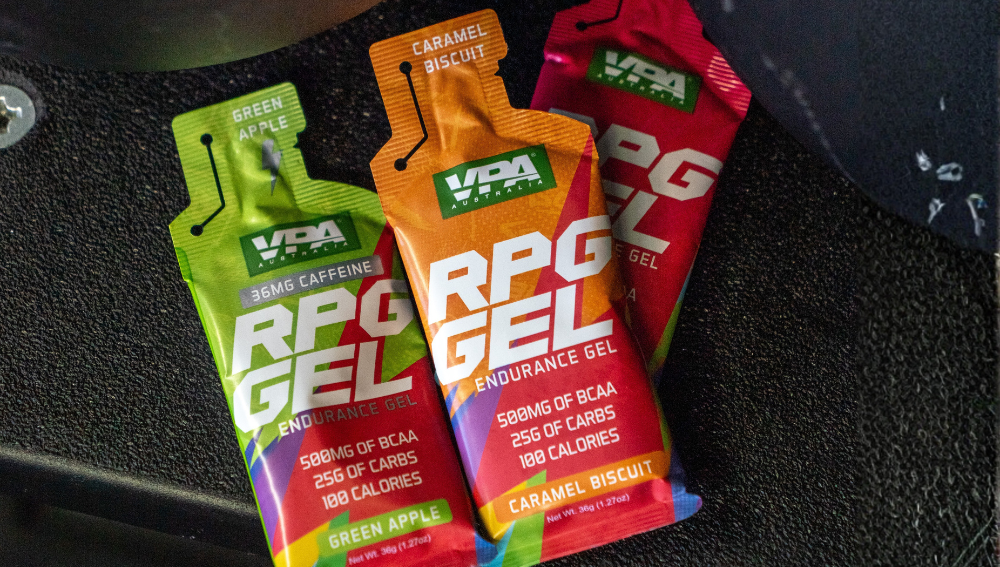
- Sports drinks and gels
-
Ready-to-eat packaged foods
Because maltodextrin is inexpensive and highly versatile, it often shows up where you wouldn’t expect it.
Why It Shows Up in Sports Nutrition
While you wouldn’t expect a carb-rich component to turn up in sports nutrition, athletes often use maltodextrin in supplements because it provides fast energy without feeling heavy on the stomach. In products like:
- Energy gels
- Intra-workout drinks
- Carbohydrate Powder Supplements
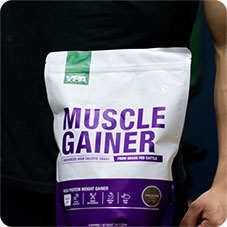
- Mass gainers
- Electrolyte mixes
Maltodextrin helps athletes improve endurance, prevent fatigue, maintain performance, and aid muscle recovery.
Its rapid absorption rate is one of the significant benefits of maltodextrin, especially during long or high-intensity sessions.
Is Maltodextrin Safe? What the Science Actually Says
Safety Status Around the World
Globally, maltodextrin is considered safe by regulatory agencies:
- FDA (United States): “Generally recognised as safe” (GRAS)
- EFSA (European Union): Approved for broad use in foods; safe at current consumption levels.
- FSANZ (Australia/New Zealand): Approved as a food additive
- WHO/FAO: Acceptable for general consumption
No central authority places strict limits on how much maltodextrin the general population can consume daily.
Blood Sugar and Glycaemic Impact
One of the major concerns with maltodextrin is its very high glycaemic index (GI), often higher than that of that of table sugar. Maltodextrin has four calories per gram, the same as table sugar, but with a very high GI of 110 3.
This means it:
- Spikes blood sugar quickly
- Enters the bloodstream rapidly.
- Can impact insulin response
For people managing diabetes, insulin resistance, or metabolic health concerns, a high intake of maltodextrin may be problematic. Therefore, asking “Is maltodextrin bad for you?” is valid if you have blood sugar issues.
Gut and Microbiome Considerations
Large amounts of maltodextrin may impact the gut microbiome, potentially reducing certain beneficial bacteria.
Allergies and Sensitivities
Maltodextrin allergies are infrequent since the refining process removes proteins (gluten) that typically trigger allergic reactions.
However:
- Individuals with coeliac disease may prefer non-wheat sources.
- People with IBS or FODMAP sensitivities may experience digestive discomfort from high intakes. Although maltodextrin is generally considered a low FODMAP food additive 5, trace amounts may occur due to differences in the manufacturing process.
But overwhelmingly, maltodextrin is considered non-allergenic.
Are There Any Downsides?
For People Managing Blood Sugar
Because maltodextrin raises blood glucose quickly, individuals with diabetes or prediabetes may want to limit it. Choosing lower-GI alternatives is usually better unless used strategically during exercise.
Overconsumption and Diet Quality
While maltodextrin itself isn’t dangerous, it often appears in ultra-processed foods. Consuming it frequently may signal a diet low in whole foods. High consumption of processed foods is linked to poor overall nutrition and increased risk of heart and other chronic diseases.
Possible Digestive Upset
Some people report:
- Bloating
- Gas
- Loose stools
- Cramping
especially when consuming maltodextrin in high doses during endurance exercise. This is one of the common side effects of maltodextrin, particularly for those with sensitive digestion.
Emerging Research
New studies are investigating how maltodextrin interacts with:
- Gut immunity
- Microbial diversity
-
Inflammatory responses
Some studies 4 also indicate that it may impair intestinal barrier function when consumed in high quantities, though this is still an area of developing research.
While none of the findings suggest immediate danger, long-term, high-dose intake may not be ideal for gut health.
When Maltodextrin Can Be Useful
In Training and Sport
Maltodextrin shines in athletic contexts. Maltodextrin benefits include:
- Rapid energy delivery
- Quick glycogen replenishment
- Easy digestion compared with whole-food carbohydrates
- Mild taste and easy mixing
- Compatibility with electrolytes and amino acids
Endurance athletes, powerlifters, and team sports players often use maltodextrin powder or drinks during long sessions when energy needs are high.
In Everyday Foods
Maltodextrin also has roles in daily life:
- Helping maintain texture in low-sugar products
- Reducing clumping in spices or powdered items
- Creating creamier textures
- Acting as a stabiliser
For most people, occasional consumption is not a concern.
Are There Alternatives?
Lower-GI Carbohydrate Options
If you are avoiding blood sugar spikes, consider:
- Oats or oat flour
- Sweet potato starch
- Whole grains
- Fruit-based carbohydrate sources
- Isomaltulose (a slow-digesting sugar)
- Dextrins with lower GI
These provide steadier energy release.
Other Additives / Thickeners
When looking for functional alternatives for cooking or food products:
- Xanthan gum
- Guar gum
- Pectin
- Tapioca flour
- Arrowroot
- Inulin fibre
These don’t behave exactly like maltodextrin but can replace some of its thickening or stabilising properties.
Sports Nutrition Alternatives
For athletes looking for alternatives to maltodextrin in supplements:
- Cluster dextrin (highly branched cyclic dextrin)
- Glucose polymers
- Fructose blends for mixed-carb absorption.
- Natural sources like coconut water or fruit purées
- Palatinose (slow-release carb)
These may be easier on the stomach or provide steadier energy.
Practical Tips for Using Maltodextrin Safely
If You’re an Athlete
Using maltodextrin strategically can boost training performance. Tips include:
- Consume it during or after long sessions (60+ minutes).
- Combine with electrolytes for hydration.
- Test during training, and not on race day or an event, to avoid GI surprises.
- Use measured amounts based on training demands (30-60g per hour for endurance).
- Opt for quality carbohydrate powder supplements with simple ingredient lists.
If You Don’t Train Intensely
If you’re not training hard, maltodextrin becomes less necessary. To keep intake safe and reasonable:
- Choose whole foods where possible.
- Limit ultra-processed snacks and drinks.
- Read labels to check how often you are consuming it.
- Balance meals with protein, fats, and fibre to regulate blood sugar.
How to Read Labels and Make Smart Choices
Look for:
-
Ingredient source (corn, rice, wheat, potato)
- Amount per serving
- How far up the ingredient list does it appear (this will tell you the amount of maltodextrin in the product)
- Whether it is used in combination with sugar or artificial sweeteners
For those wondering how much maltodextrin per day is ideal, there’s no official limit. However:
- Athletes using it as fuel may safely consume 30-50g of maltodextrin per dose, diluted in 500ml of water 2-3 times a day, in the 3 days before an endurance event.
-
Non-athletes should aim to keep intake modest, primarily from foods rather than supplements.
- High daily intakes outside of sports nutrition aren’t advisable.
Reminder: Real Food First
Maltodextrin is safe in moderation, but whole foods like fruit, oats, rice, and potatoes should still form the backbone of your carbohydrate consumption.
Use maltodextrin as a tool, not as a need.
Final Thoughts: So, Is Maltodextrin Safe?
So – is maltodextrin bad for you? The answer is: not inherently. For most people, maltodextrin is safe when consumed in moderation. It is approved by food safety authorities worldwide, vegan-friendly, and functional in both food manufacturing and sports.
However:
- It spikes blood sugar quickly.
- Large amounts may irritate the gut or negatively influence the microbiome.
- It often appears in highly processed foods.
- Athletes benefit, but sedentary individuals don’t need much.
If you rely on whole foods, read labels, and use maltodextrin powder or carbohydrate powder supplements only when needed, it can be part of a balanced diet without causing issues.
As with all additives, mindful consumption is the key.
References:
- Helmer, J. (2025, October 28). What is maltodextrin? WebMD. https://www.webmd.com/diet/what-is-maltodextrin
-
Cavaco Silva, J. (2024, March 21). What is maltodextrin and is it safe? Medical News Today. https://www.medicalnewstoday.com/articles/322426
-
Shaefer, A. (2024, September 10). Is maltodextrin bad for me? Healthline. https://www.healthline.com/health/food-nutrition/is-maltodextrin-bad-for-me
-
Zangara, M. T., Ponti, A. K., Miller, N. D., Engelhart, M. J., Ahern, P. P., Sangwan, N., & McDonald, C. (2022). Maltodextrin consumption impairs the intestinal mucus barrier and accelerates colitis through direct actions on the epithelium. Frontiers in Immunology, 13, Article 841188.https://doi.org/10.3389/fimmu.2022.841188
-
Casa de Sante. (2023, October 5). Is maltodextrin low FODMAP. https://casadesante.com/blogs/gut-health/is-maltodextrin-low-fodmap