
Your Cart is Empty










Nutrition for running your best half marathon or marathon


Understanding how to optimise your nutrition for running is essential for performing your best in a half, full or ultra marathon. While you can get away with a haphazard approach in shorter runs, nutrition can the factor which turns a great race into a disaster from the 10km point.
The biggest training mistake people make is not practicing their nutrition for running. Like any performance, you should have a complete dress rehearsal before the event. For runners this means trialling clothing, accessories, and fuelling strategies on your training runs.
What to Eat and Drink During Your Run
Start your run properly hydrated, a good sign is pale, straw-coloured pee.
On race day and also on your long run training days the food you eat and drink before exercising will help you to:
- fuel and hydrate your body for the session,
- train harder for longer, and
- avoid getting hungry during the session
Ideally you should aim to have a meal 3-4 hours before your workout or a small snack 1-2 hours beforehand. Everyone is different with what they like to eat and what agrees with their stomach. However, in general, your pre-run meal or snack should be:
- rich in carbohydrates to top-up your fuel stores
- low in fibre, especially if you have a sensitive tummy
- easy to digest– avoid foods high in fat as these are slow to digest
Some of my favourite options are:
- a small bowl of wholegrain cereal or oats with yoghurt and fruit
- sourdough toast with sliced banana and nut butter
- Raisin toast with honey
- Fruit smoothie
Nutrition for running – what to eat and drink during your run
If your session lasts less than an hour, you can rely on stored muscle glycogen — just focus on hydration. Water is enough for most, though electrolyte drinks help in warmer conditions.
Once you go beyond 75 minutes, you’ll need 30–60 g of carbohydrates per hour to sustain performance. This helps maintain blood glucose, fuel your muscles and brain, and delay fatigue.
Start fuelling early — within the first hour of running — even if you don’t feel tired yet. Consistent fuelling helps prevent that dreaded “wall” later on.
Training tips:
-
Mix your carb sources — gels, chews, and drinks — to avoid flavour fatigue.
-
Train your gut by practising with gels on every long run over 14 km.
-
Stick to a consistent fuelling schedule — don’t wait until you’re empty.
Smarter Fuel for Long Runs
RPG Gelis VPA’s endurance fuel, designed for athletes who go the distance. Each gel packs clean energy, hydration support, and recovery nutrients — everything your body needs mid-race.
Each 100-calorie sachet delivers:
-
25 g fast-absorbing carbohydrates for rapid and sustained energy
-
500 mg BCAAs to delay fatigue and support muscle recovery
-
Electrolytes (sodium, potassium, calcium) to replace what’s lost in sweat
-
Optional 36 mg caffeine (Green Apple flavour) for sharper focus when you need it most
Unlike most gels that are pure sugar, RPG Gel fuels smarter — combining carbs, aminos, and electrolytes for a smoother, longer-lasting energy curve. The result? No spike, no crash, just steady energy that matches your pace.
Its smooth texture is easy on the stomach, while the eco-friendly sachet design means no sticky hands or trail litter
Tip: Always take gels with a few sips of water. RPG Gels already contain water, making them quick to absorb and easier to digest mid-run.
Practicing your race fuelling
Just like you train your legs, you need to train your nutrition.
Use your long runs to experiment with pre-run meals, gel timing, and hydration strategies.
About 4–6 weeks before your race, do a full trial — eat the same dinner, breakfast, gels, and supplements you plan for race day. This ensures no surprises on the course.
If you’re testing caffeine or beetroot supplements, include them here too so your body knows what to expect.
What to Eat and Drink After Your Run
The goals of the recovery nutrition are to:
- Refuel and rehydrate the body
- Promote muscle repair and growth
- Boost adaptation from the training session
- Support the immune function
Rehydrating should begin soon after finishing your run. The first hour is key for restocking carbohydrates and repairing muscles. However, repair will continue over the next 12-24 hours. Use your next meal after your run for recovery nutrition. Or have a small snack to kick-start the recovery process, then use your next main meal to complete your recovery.
Post workout foods should be:
- Rich in quality carbohydrate to replenish muscle fuel stores
- Contain some lean protein to promote muscle repair
- ·Include a source of fluid and electrolytes to rehydrate effectively
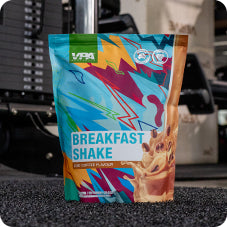
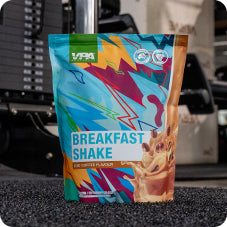
There’s no “best” option for what to eat after exercise. The VPA Breakfast Shake is an ideal recovery shake. It combines a full serve of whey protein with carbohydrates from oats. Dairy foods such as flavoured milk, smoothies or fruit yoghurt can also be a great option as they can provide carbohydrate, protein, fluid and electrolytes ticking all of your recovery goals in one handy option. Some other options that you may like to choose include:
- Lean chicken and salad roll,
- Bowl of muesli with yoghurt and berries
- My favourite – an egg with wholemeal toast soldiers
Carb Loading
The body only has a limited supply of carbohydrate in the muscles and liver. Since carbohydrate is main source of fuel for the body during high intensity exercise, muscle fuel stores should be topped up over in the 24-36 hours before competition to enhance performance.
In the few days before your race carbohydrate loading will make a big impact. Carb loading isn’t about a big bowl of pasta the night before your event – instead it focuses on replacing protein, fibre and fat with carbohydrate sources. You should be targeting between 8-12 grams of carbohydrate per kilo of body weight over the carb load period. So a 60 kg runner would need to consume between 480 and 720 grams of carbs over the day. As a guide 2 slices of white toast contain about 50 grams of carbs. If it’s your first time carb loading I’d suggest sticking to the lower end of the range.
The carbs you choose should be low in fibre to reduce the chances of getting an upset stomach during the race. This is the time to choose white bread, rice or pasta over wholemeal. You can go back to your quinoa after the event. You can also enjoy some of the foods you might not normally eat such as a crumpet with honey.
Here’s some detailed guidance including a meal plan covering carbohydrate loading.
Experiment with different fuelling options in training so you can find a solution that works for you. Remember – nothing new on race day! Have a fabulous run and let us know how you go!
Source: Sports Dietitians Australia
Why endurance athletes should be strength training